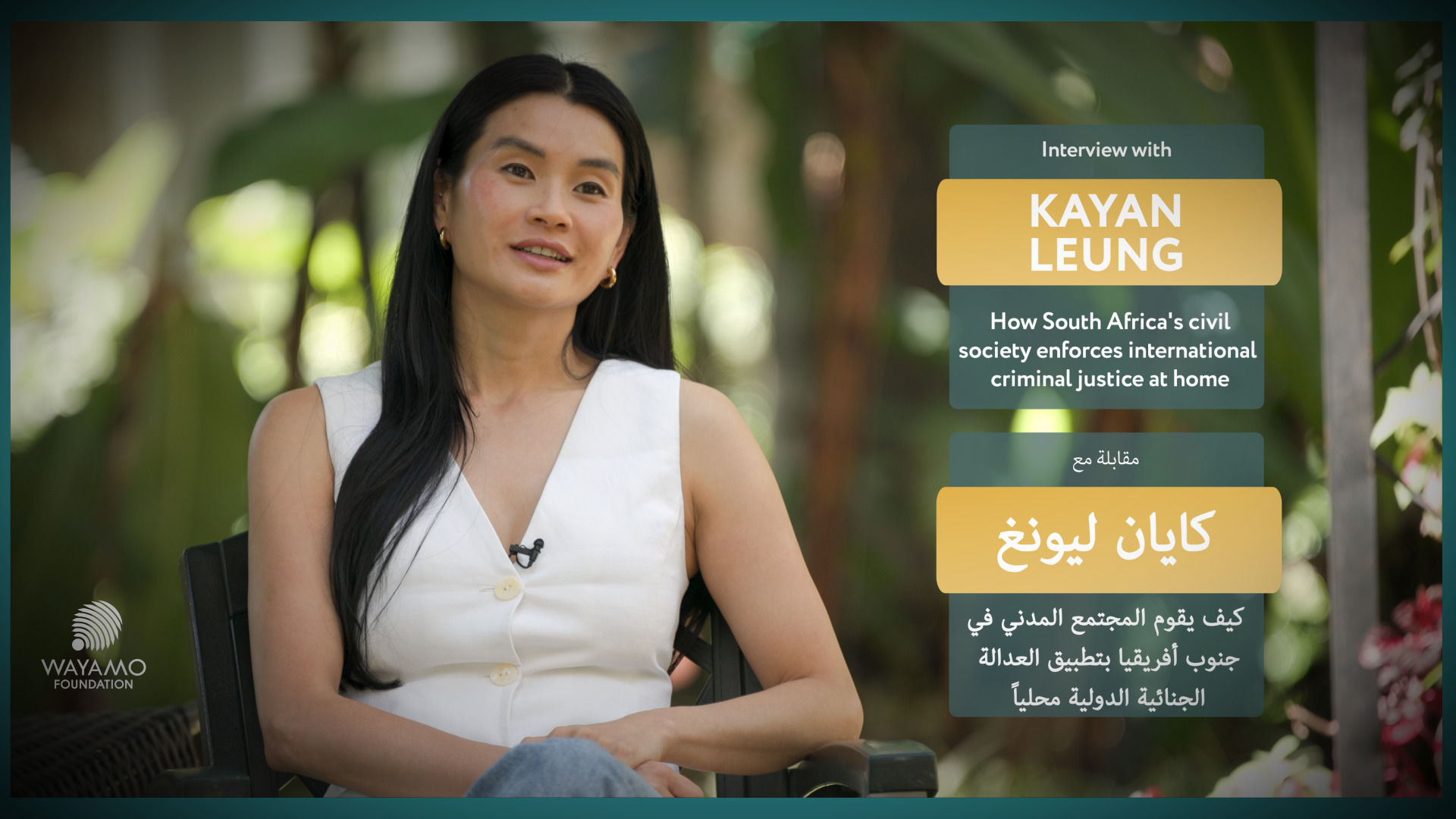
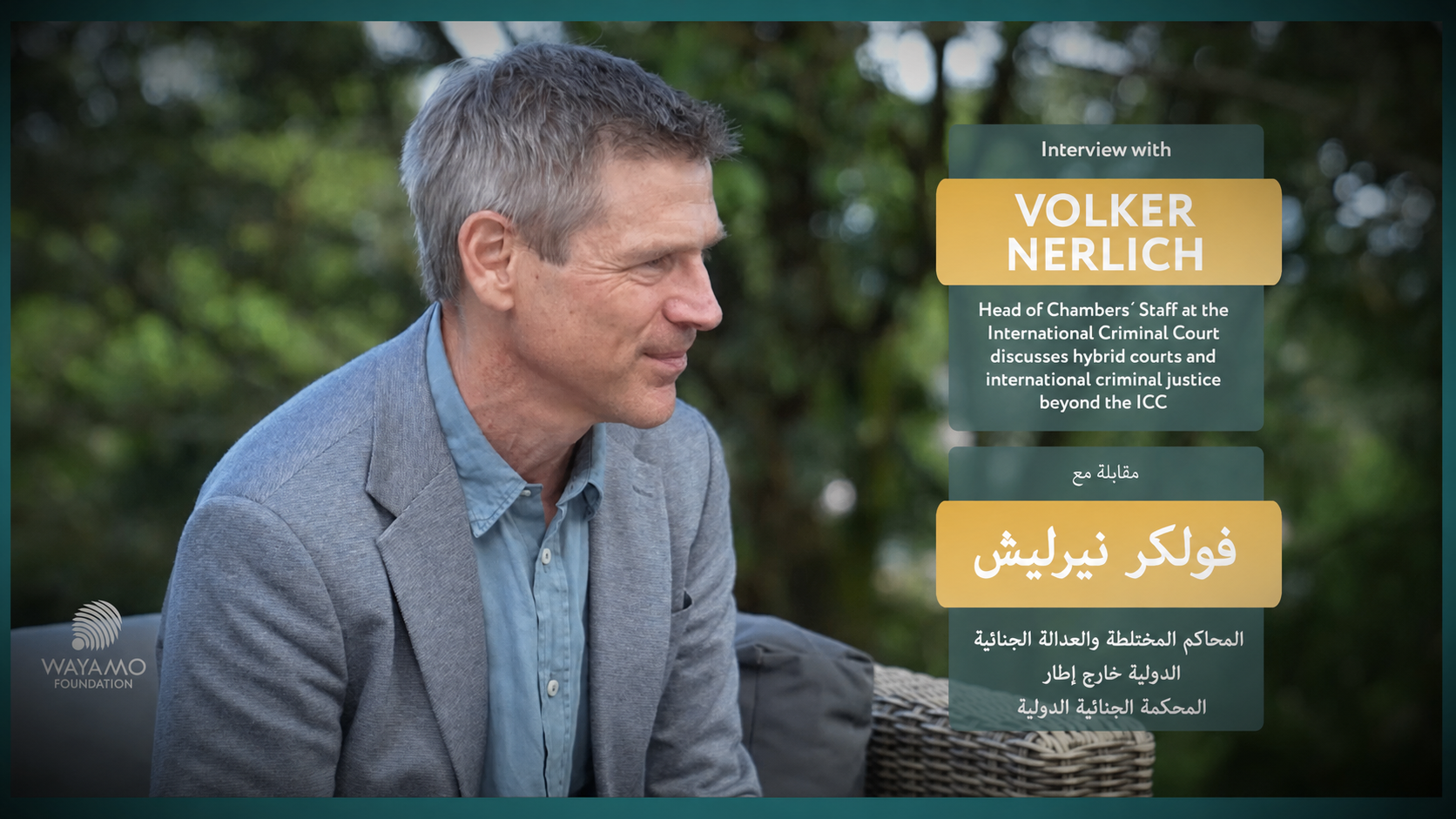
How documenting mass atrocities in Sudan can go beyond recording individual incidents and direct perpetrators, by focusing on the broader ecosystem that enables conflict — including financial systems, corporate actors, [...]
REDRESS Legal Officer on the challenges of reforming Sudan's justice system to finally serve its people, the crucial importance of local justice processes for victims, and the important role of [...]
REDRESS Senior Legal Officer on the complexities of strategic litigation on behalf of victims and survivors, the Hissène Habré trial in Senegal, and documentation for both advocacy and accountability.
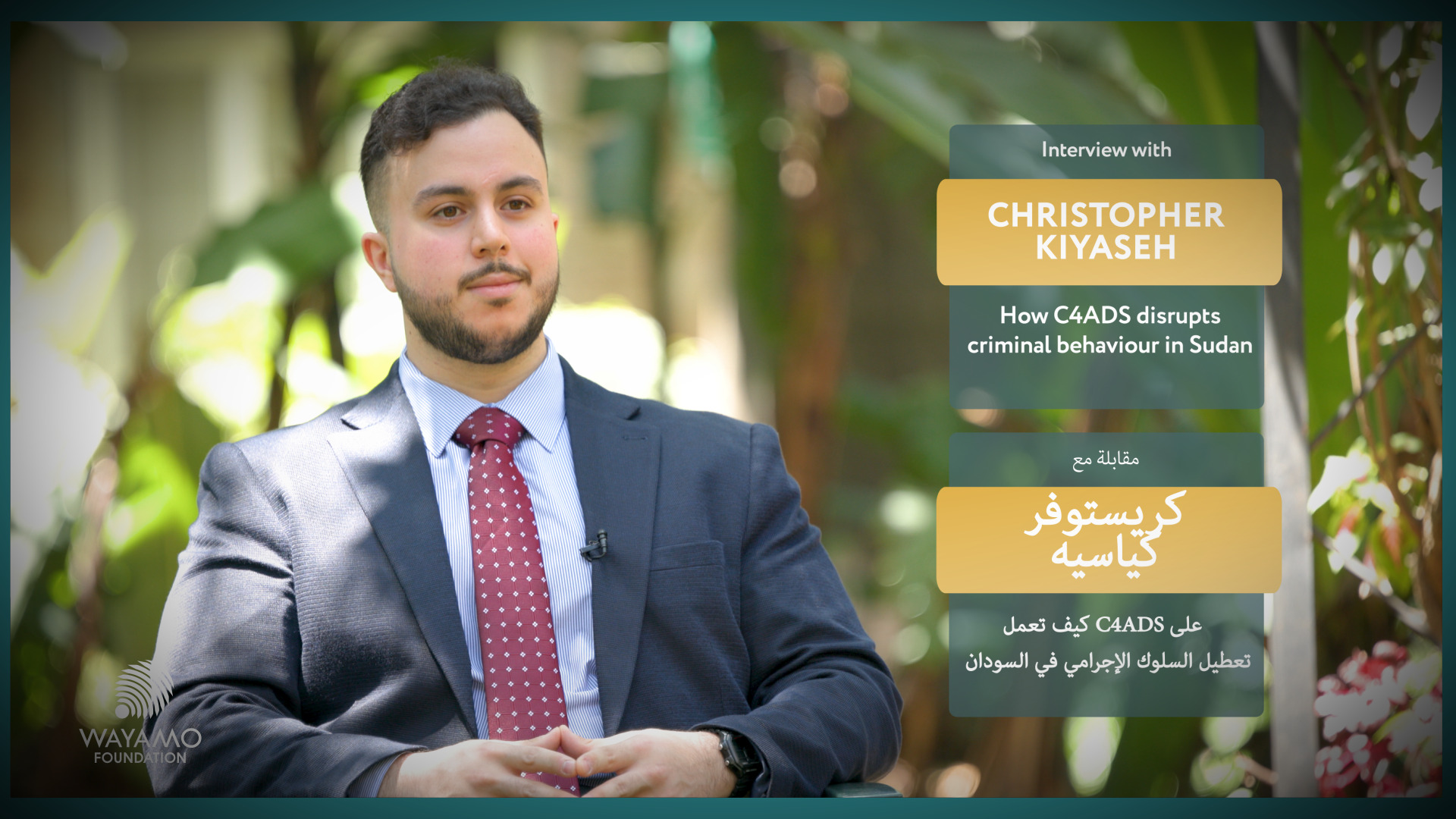
Senior Legal Counsel at Raoul Wallenberg Centre for Human Rights speaks about "conflict disruption", prospective Sudan-related cases at the International Court of Justice and the viability of strategic litigation against [...]
Former U.S. Department of Justice Special Prosecutor speaks about tools for disrupting international crimes, focusing on international cooperation, sanctions and how targeting financial structures can weaken criminal networks.
FIND Director Mariana Gutierrez on how NGOs complement work done by prosecutors and investigators to highlight criminality and bring perpetrators to justice.
Mauritius' Assistant Director of Public Prosecutions discusses his country's role in the fight against impunity for international crimes through universal jurisdiction, prosecuting financial crimes, and disrupting criminality in Mauritius and [...]
Judge Dario Dosio on the COSAS 4 trial, post-Apartheid justice, and South Africa's legacy and potential as a regional leader in universal jurisdiction.
Discussion on the 2023 International Criminal Court Policy on Gender-Based Crimes, and the importance to mainstreaming gender-based approaches to achieving justice both in International and domestic courts.
Discussion on the complexities of presenting open source information as evidence in a court, and the challenges that technological change brings for judges and prosecutors.
This in-depth interview explores how the mission investigates alleged human rights violations and international crimes amidst Sudan’s ongoing conflict.
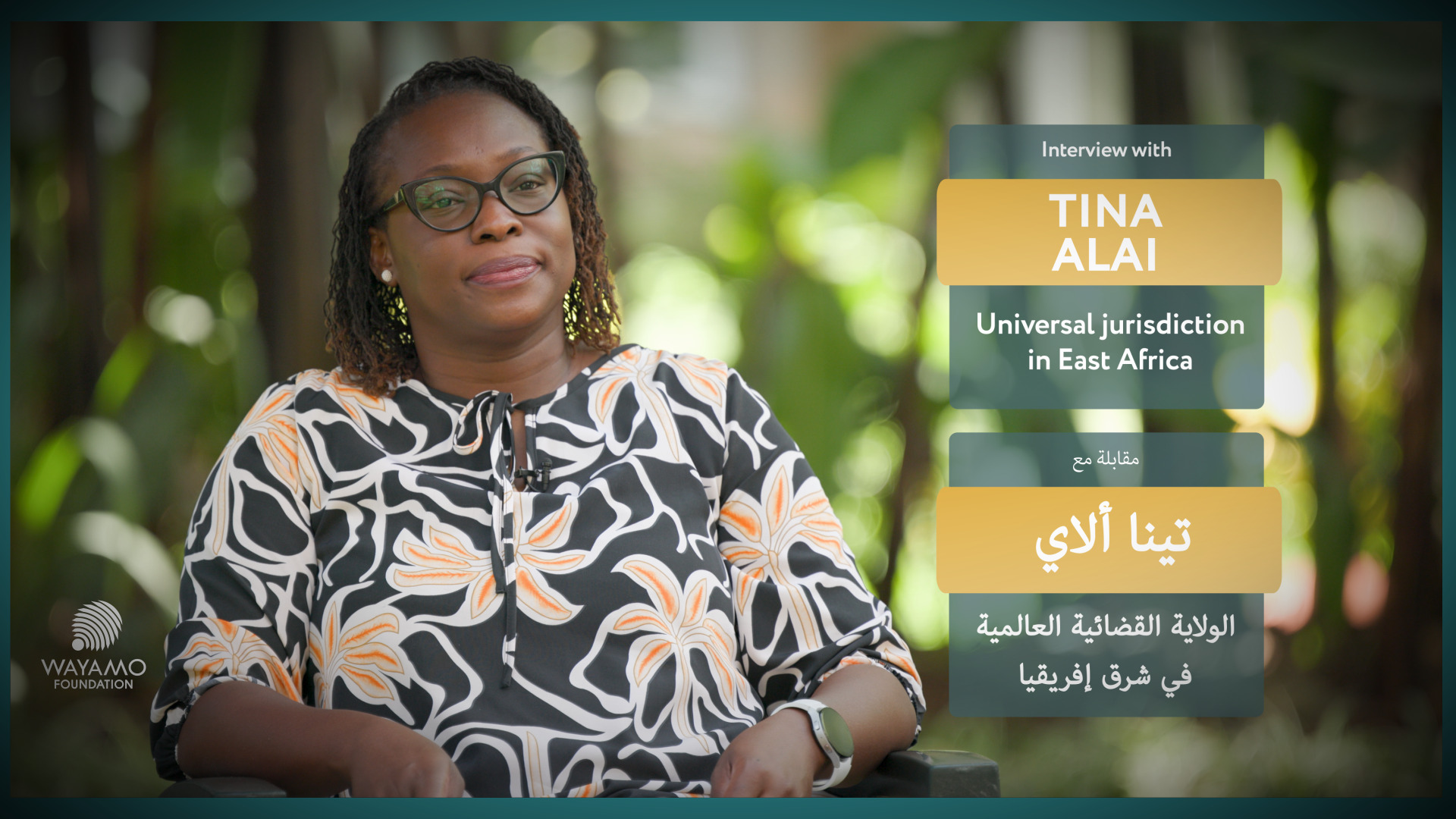
Tina Alai, Transitional Justice Advisor, United Nations Commission on Human Rights in South Sudan, discusses the pursuit of justice for international crimes in Kenya, the role of civil society, and [...]
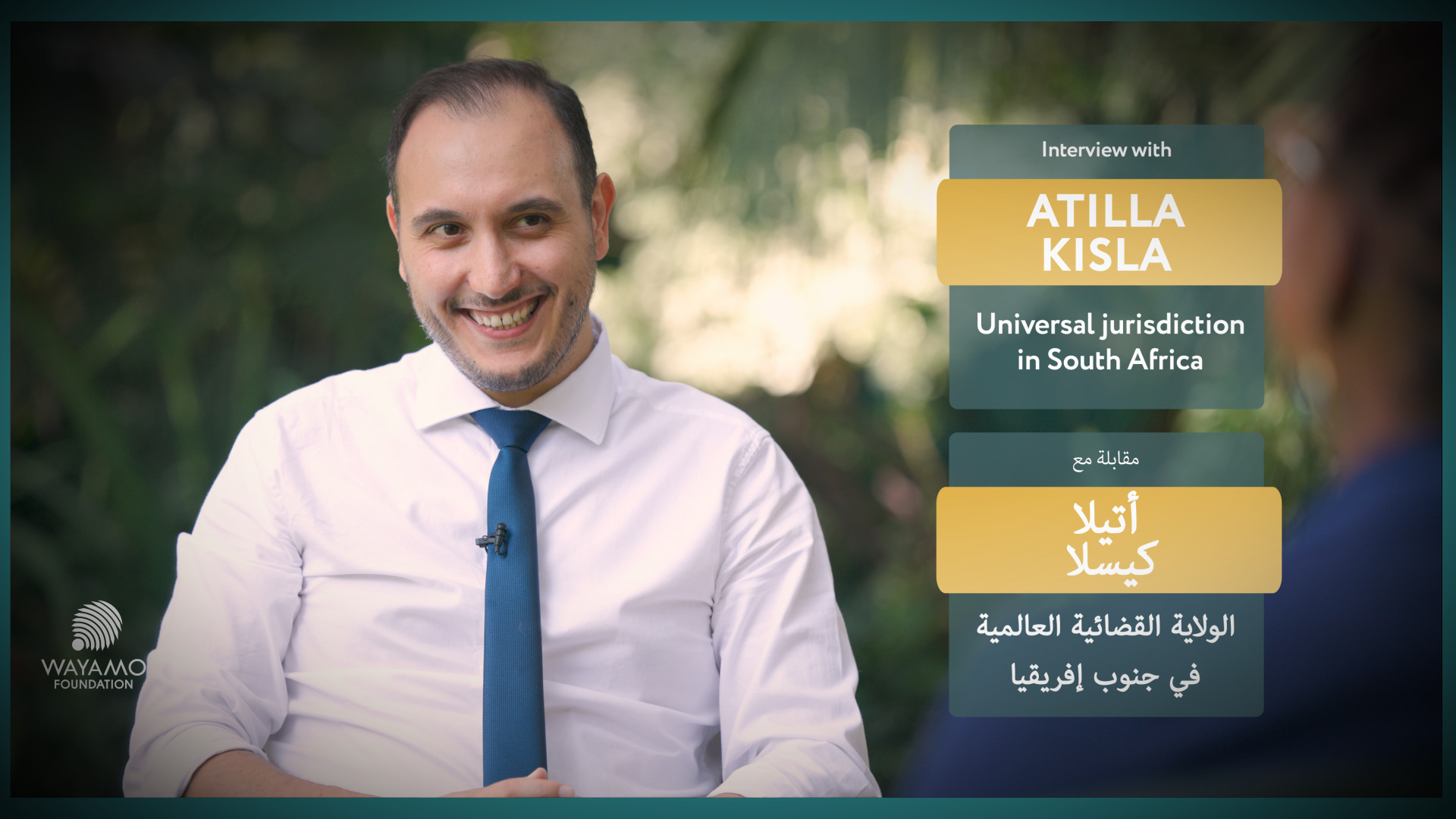
Atilla Kisla talks about the legal, political, and logistical challenges facing African lawyers bringing cases before African courts, and reflects on the opportunities available for advancing justice.
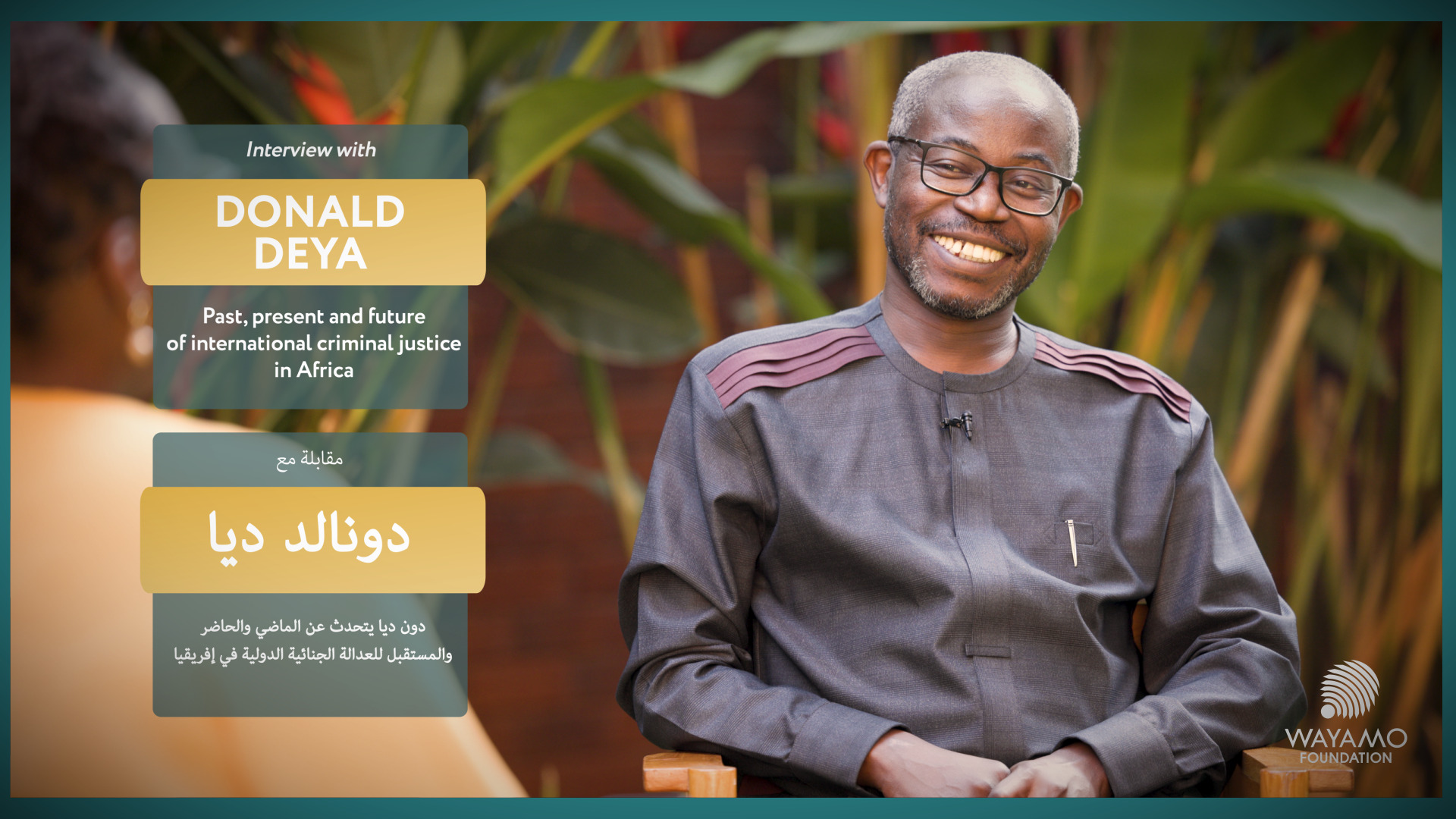
Donald Deya on the African Union’s current approach to addressing international crimes on the continent, the ICC/Africa relationship and how lawyers can use African courts to attain justice for victims [...]
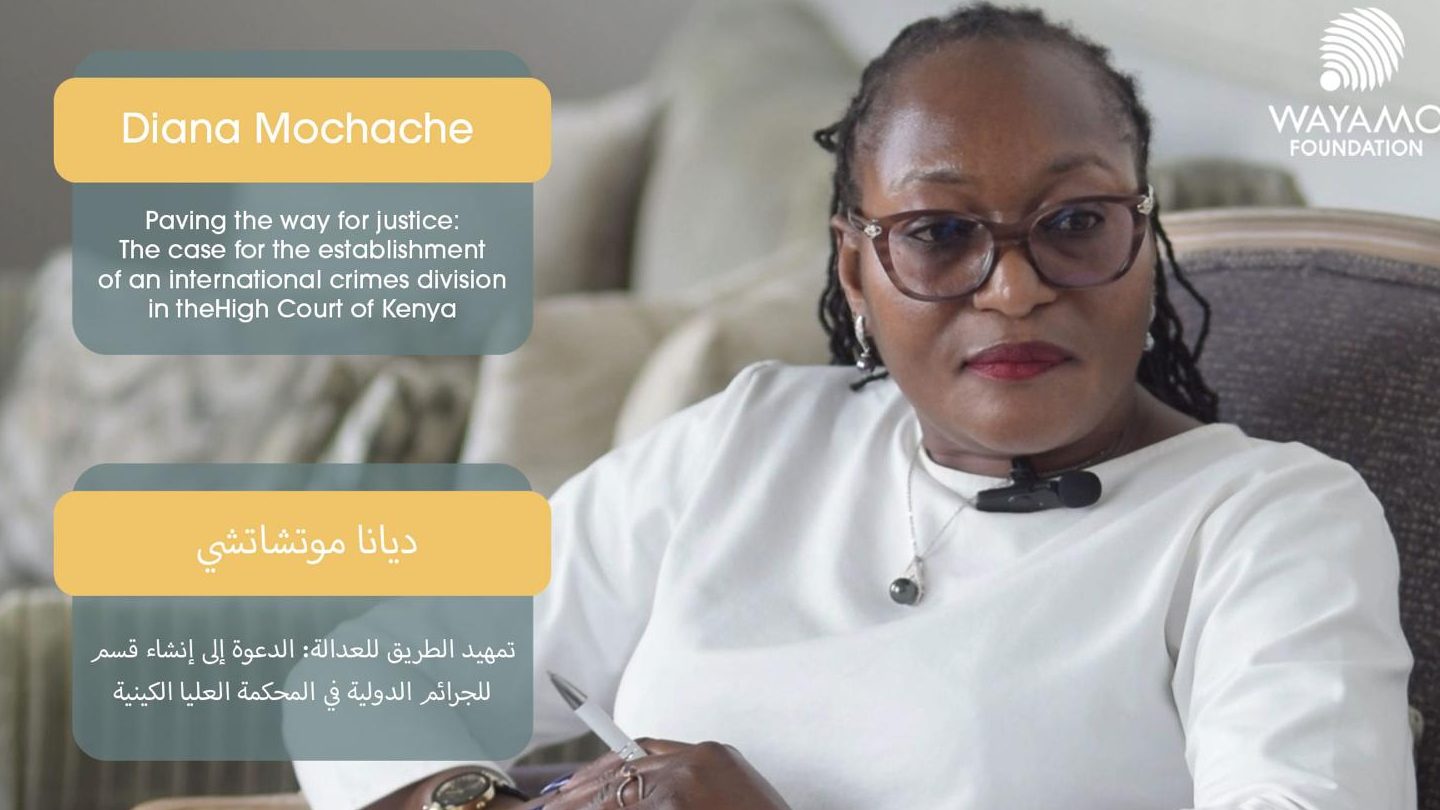
Lady Justice Diana Mochache, Judge of the High Court of Kenya speaks about the importance of establishing a special division of the High court in Kenya to oversee international crimes.
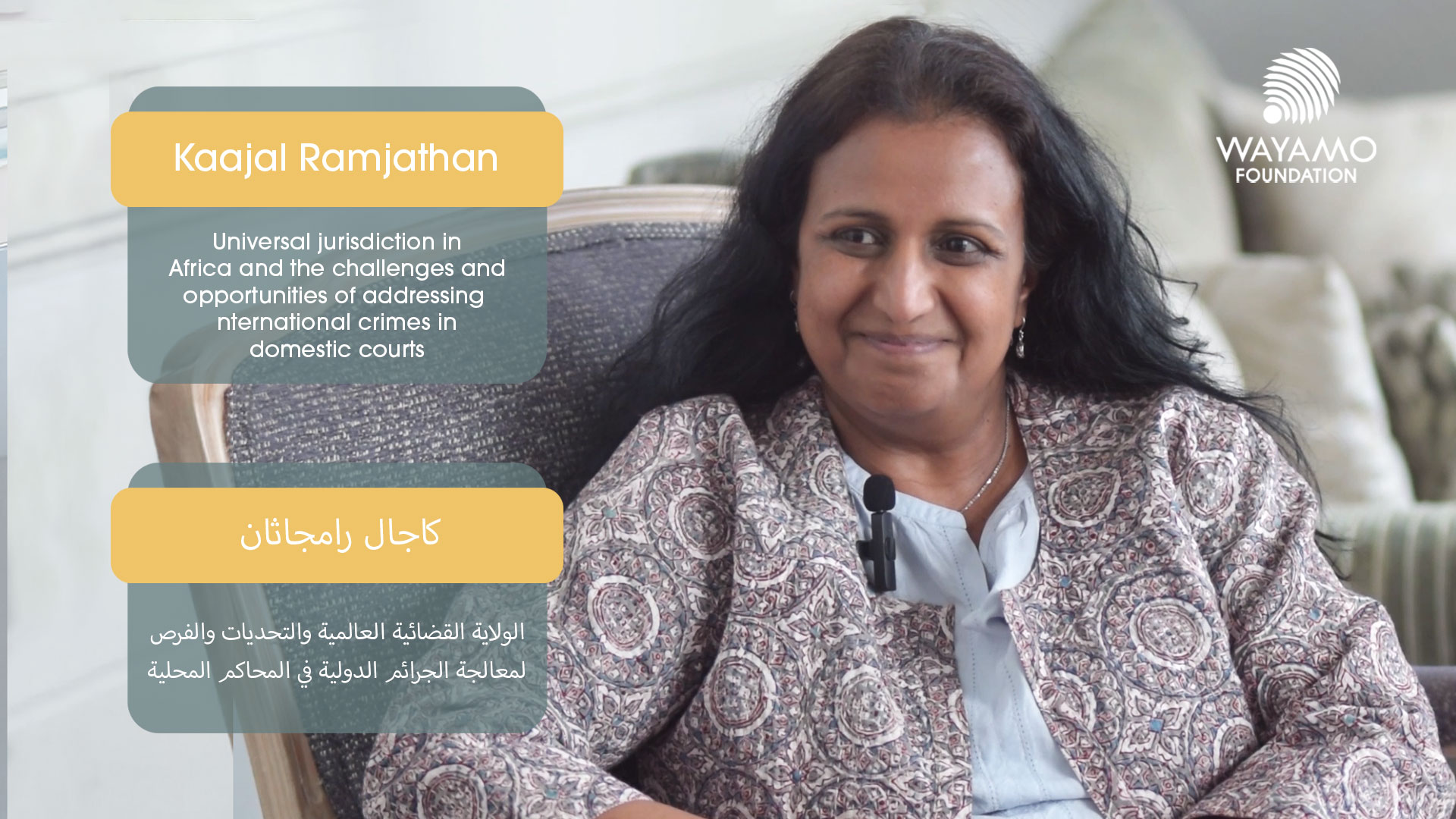
Kaajal Ramjathan-Keogh, Director of the Africa Programme at the International Commission of Jurists, discusses the legal concept of universal jurisdiction, its application worldwide, and why African countries should exercise universal [...]
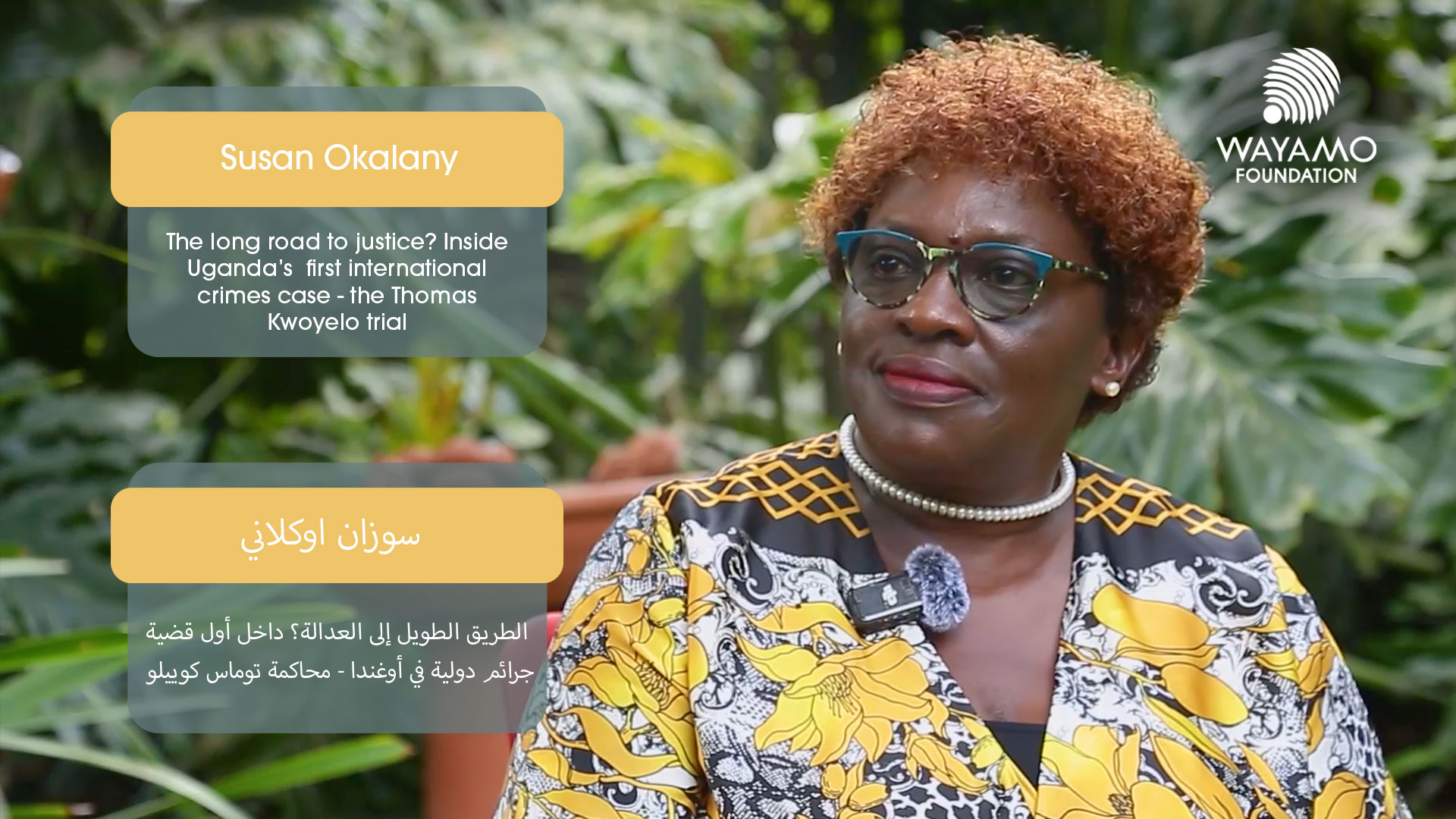
Lady Justice Okalany shares insights into the valuable lessons learned by the judiciary, particularly in managing international crime cases domestically, including the value of having a specialized international crimes division [...]
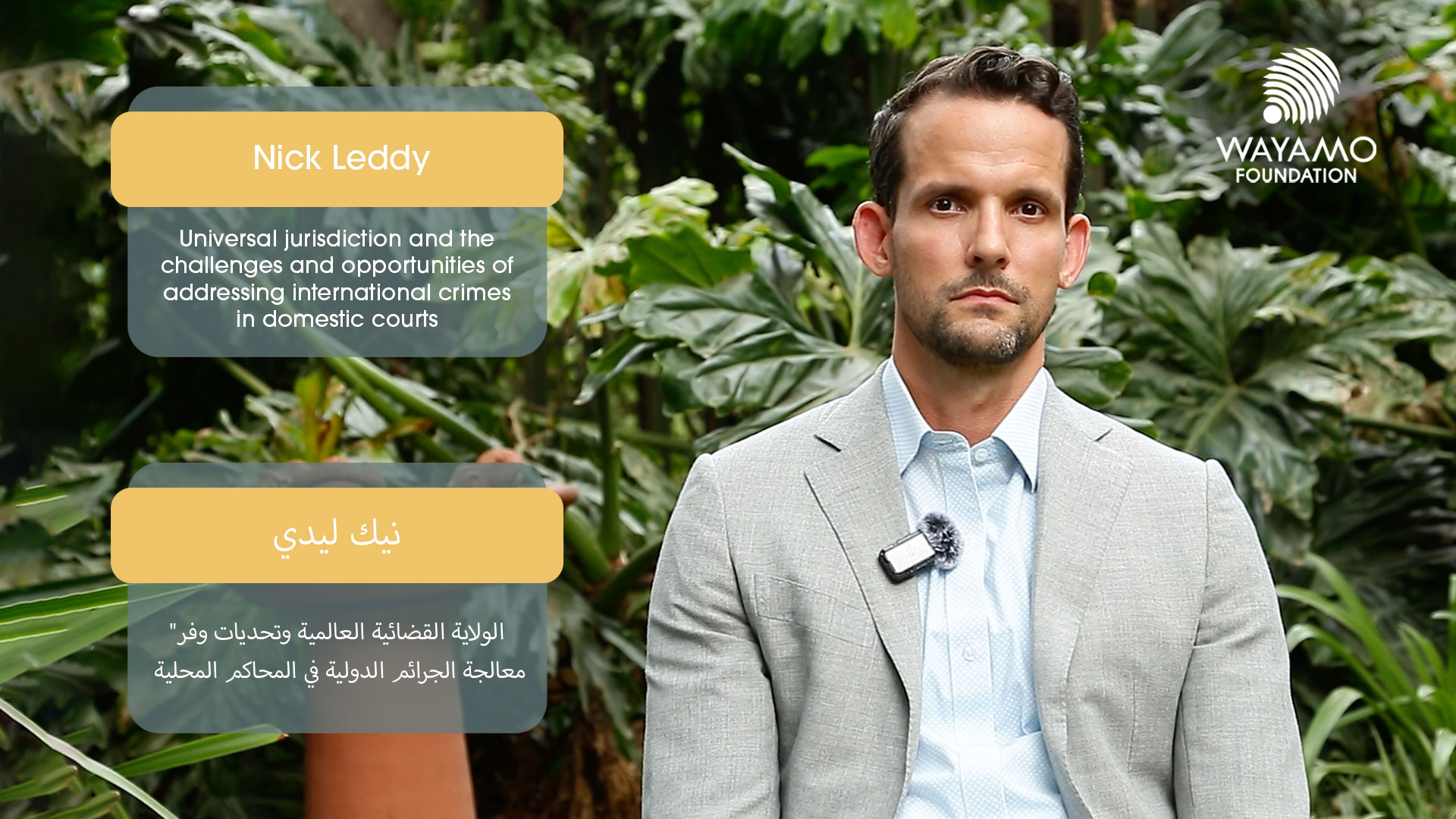
Nick Leddy, Head of Litigation, Legal Action Worldwide (LAW), discusses the legal concept of universal jurisdiction, and how his organisation aims to address international crimes in domestic courts across the [...]
Kirsty Sutherland, a distinguished barrister at 9 Bedford Row in the U.K., who has acted as defence counsel in several international tribunals, speaks about her journey towards becoming a defence [...]
Robert Nanima, a member of the African Committee of Experts on the Rights and Welfare of the Child and Special Rapporteur on Children in Armed Conflict, provides insights into the [...]
Robert Nanima, a member of the Committee of Experts on the Rights and Welfare of the Child and Associate Professor of Law at the University of the Western Cape, sheds [...]
Amanda Ghahremani, Legal Consultant, International Criminal Law and Redress for Survivors of Atrocity Crimes, delves into the nuances of documentation of human rights violations and international crimes by civil society [...]
Ben Gumpert, QC, Crown Court Judge and former Senior Trial Lawyer at the International Criminal Court (ICC), shares valuable insights into the field of international criminal law.
Hannah Bagdasar explains the role of open-source investigations in international criminal proceedings and the challenges and opportunities unique to using open source materials in a legal context.
Joseph Roberts-Mensah interviews Thierry Cruvellier, Editor-in-chief of JusticeInfo.net discussing the concept of universal jurisdiction, and how journalists can cover justice processes such as Sweden’s Lundin trial.
Wayamo Foundation Africa Director Joseph Roberts-Mensah interviews Thierry Cruvellier, Editor-in-chief of JusticeInfo.net about the evolution of journalism and hate speech from Rwanda in 1994 to Sudan in 2023
In this video, Sudanese human rights lawyer and activist Samier Makeen provides invaluable insights into the pursuit of justice amidst challenging circumstances.
The Sudan Project Manager at Mnemonic, Mahasin Dahab talks about the importance of preserving collective memory through open-source archiving and investigations.
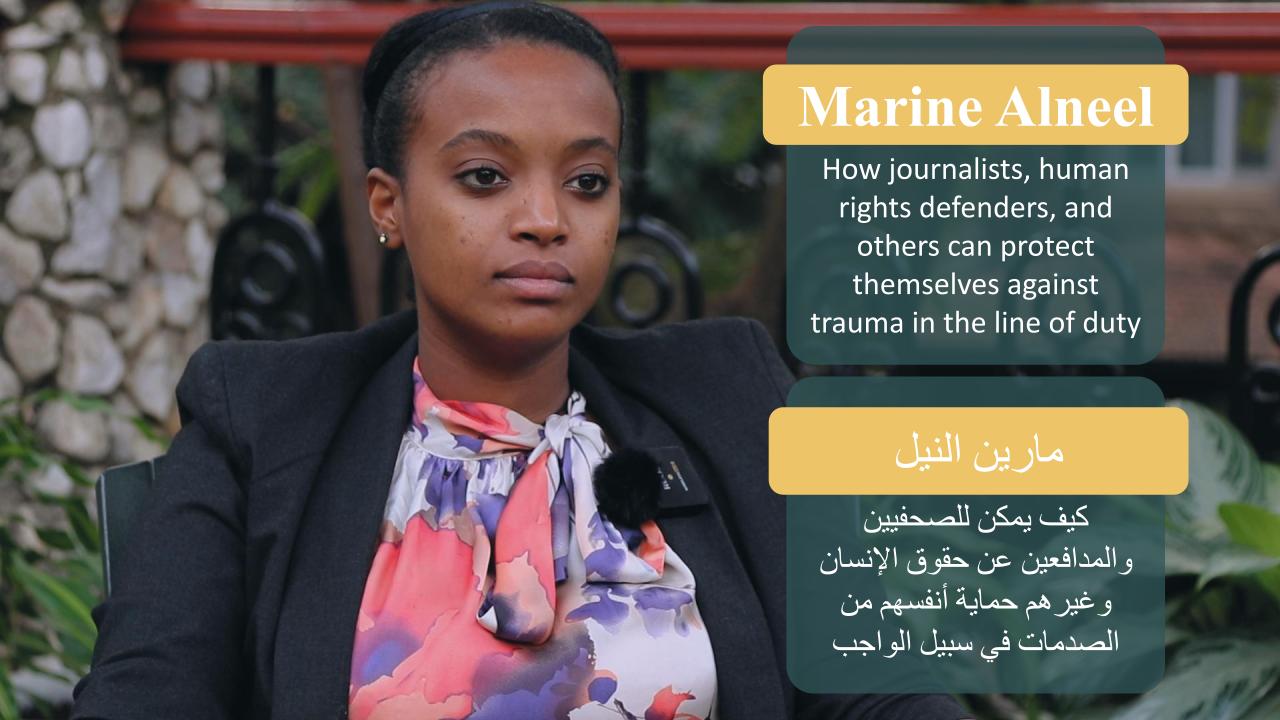
Marine Alneel, speaks about the stops that can be taken by journalists, human rights defenders as well as psychologists to take good care of their mental health under difficult circumstances [...]
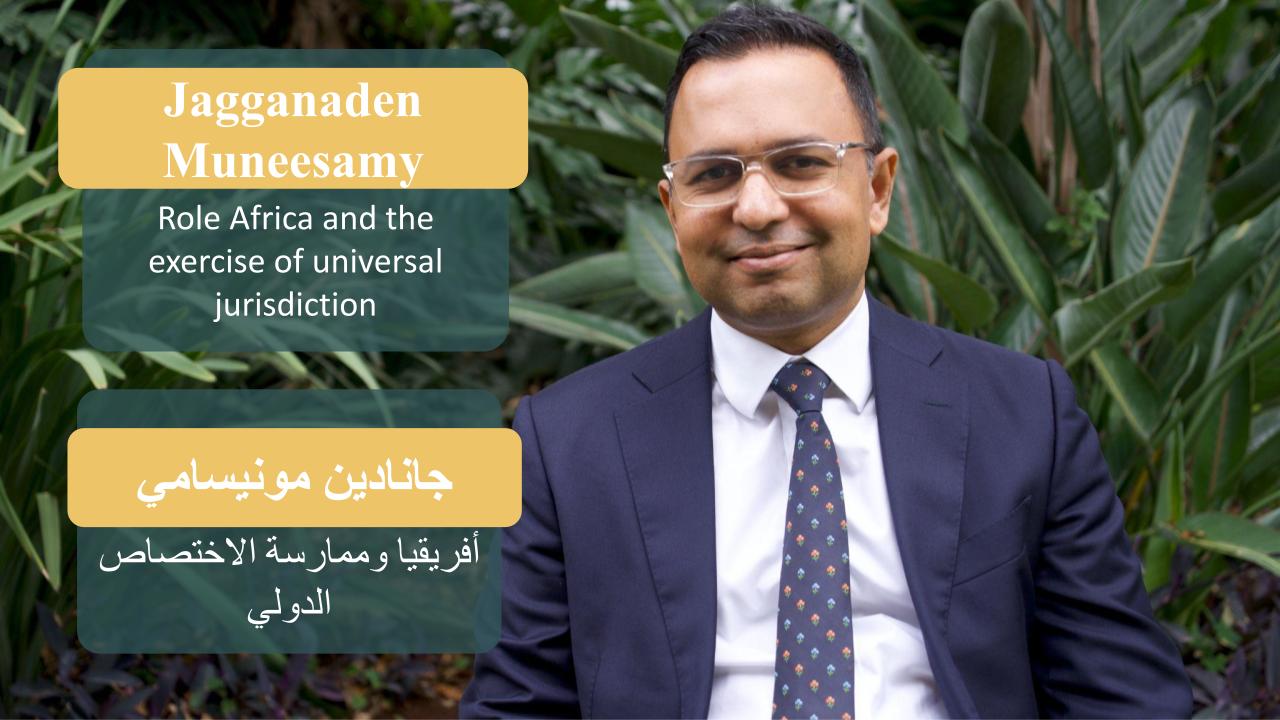
Jagganaden Muneesamy the Acting Assistant Director of Public Prosecutions (DPP) at the Office of the DPP in Mauritius, discusses Africa’s stance on universal jurisdiction.
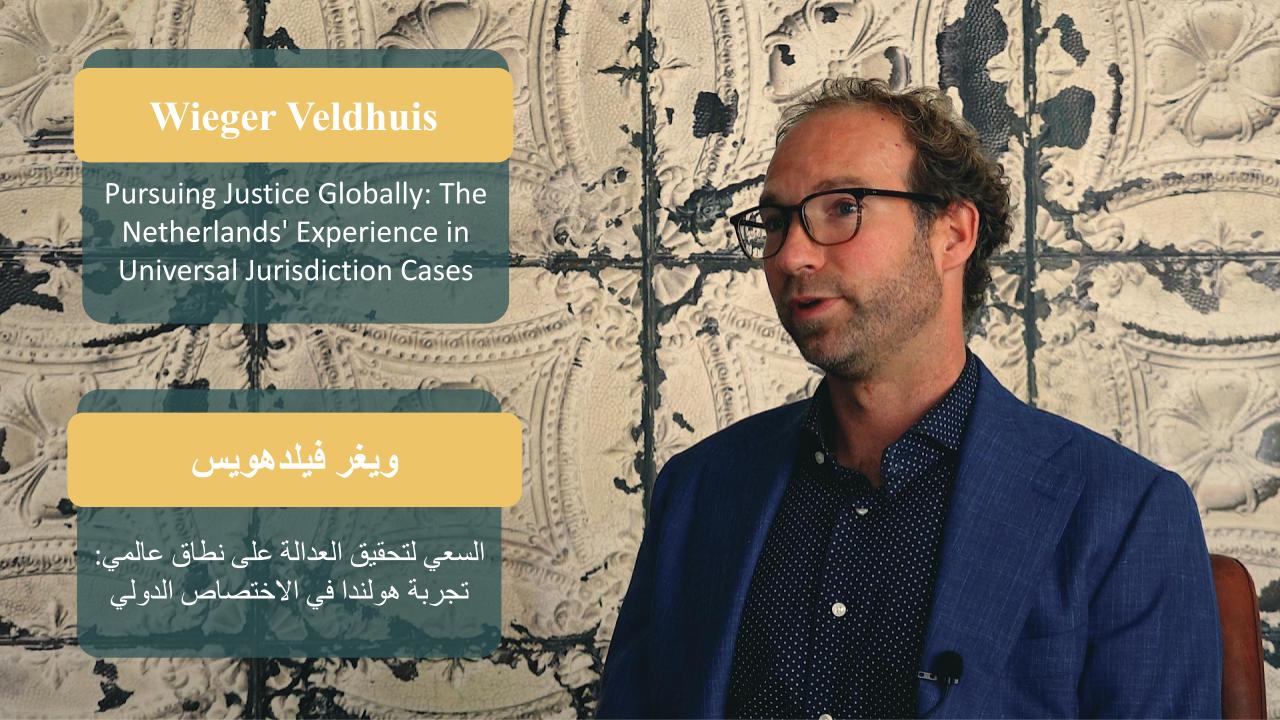
The public prosecutor for international crimes at the Public Prosecution Service of the Netherlands, Wieger Veldhuis speaks about the Netherlands' pursuit of universal jurisdiction cases arising from Syria and Iraq.
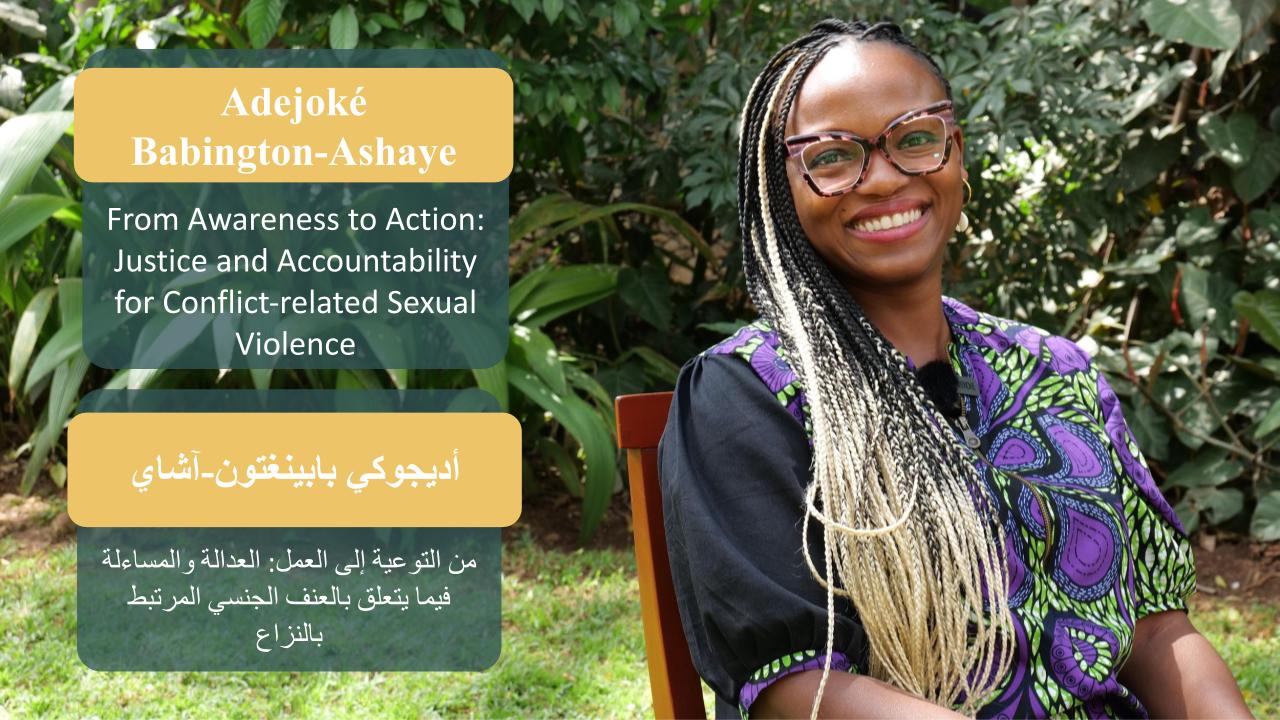
The versatile international law expert, Adejoké Babington-Ashaye, discusses the ethical considerations that are essential for journalists, and human rights documenters when interviewing vulnerable individualssituations
The versatile international law expert, Adejoké Babington-Ashaye, discussess conflict-related sexual violence (CRSV), exploring the factors behind these crimes in conflict situations
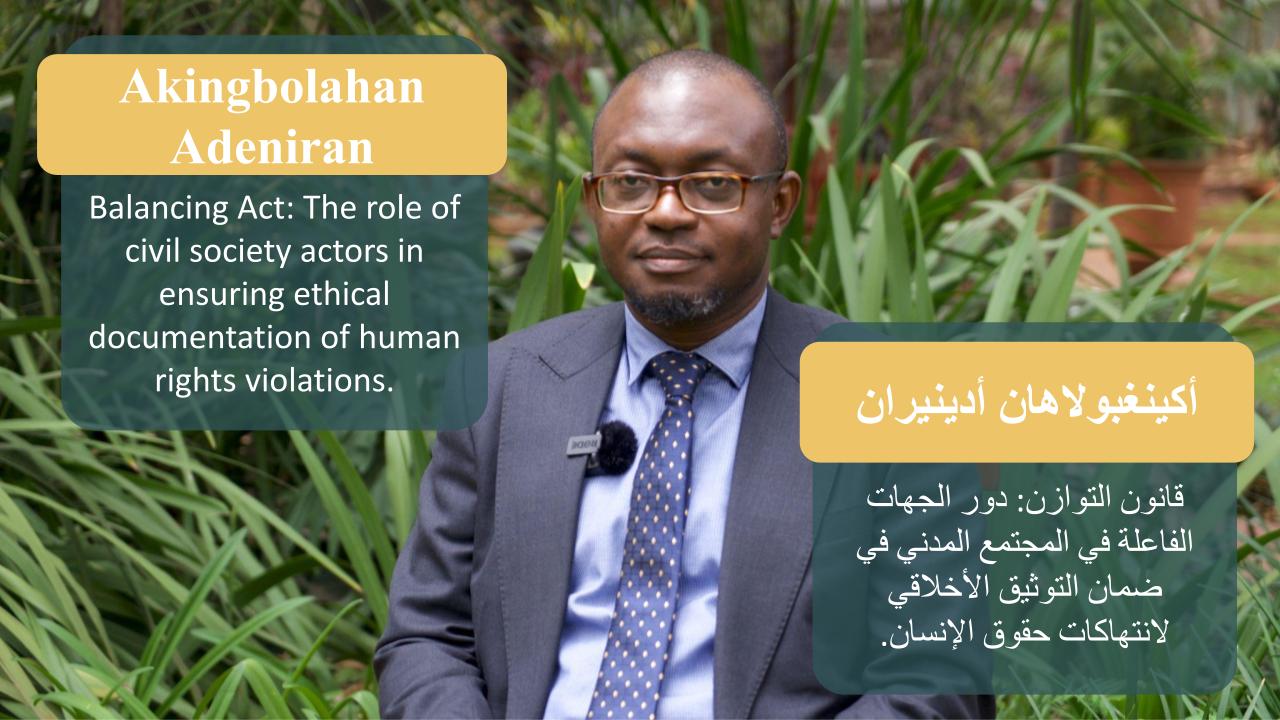
The international accountability practitioner Akingbolahan Adeniran, speaks about the potential role civilians, including lawyers, human rights defenders, and journalists, can play in documentation efforts during ongoing conflicts.
The international accountability practitioner Akingbolahan Adeniran, explores the process of tracking alleged perpetrators of international crimes and outlines some of the methods investigators employ to lead them to the fugitives.
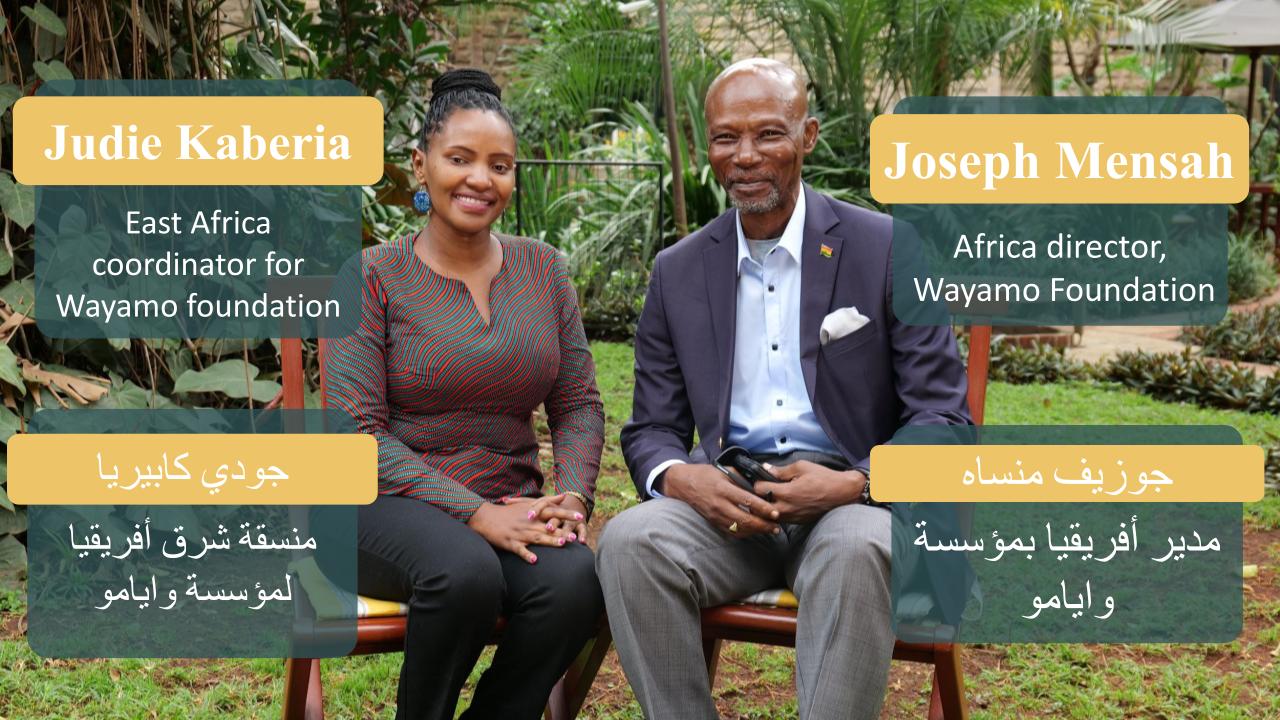
Two veteran journalists and Wayamo Foundation colleagues Joseph Roberts-Mensah (Ghana) and Judie Kaberia (Kenya) explore the concept of conflict-sensitive reporting, and how it has shaped their careers and provided a [...]
Ameir Suliman; a Sudanese lawyer and human rights activist، discusses among others, the challenges of monitoring and documenting human rights violations amid the ongoing conflict in Sudan, shedding light on [...]
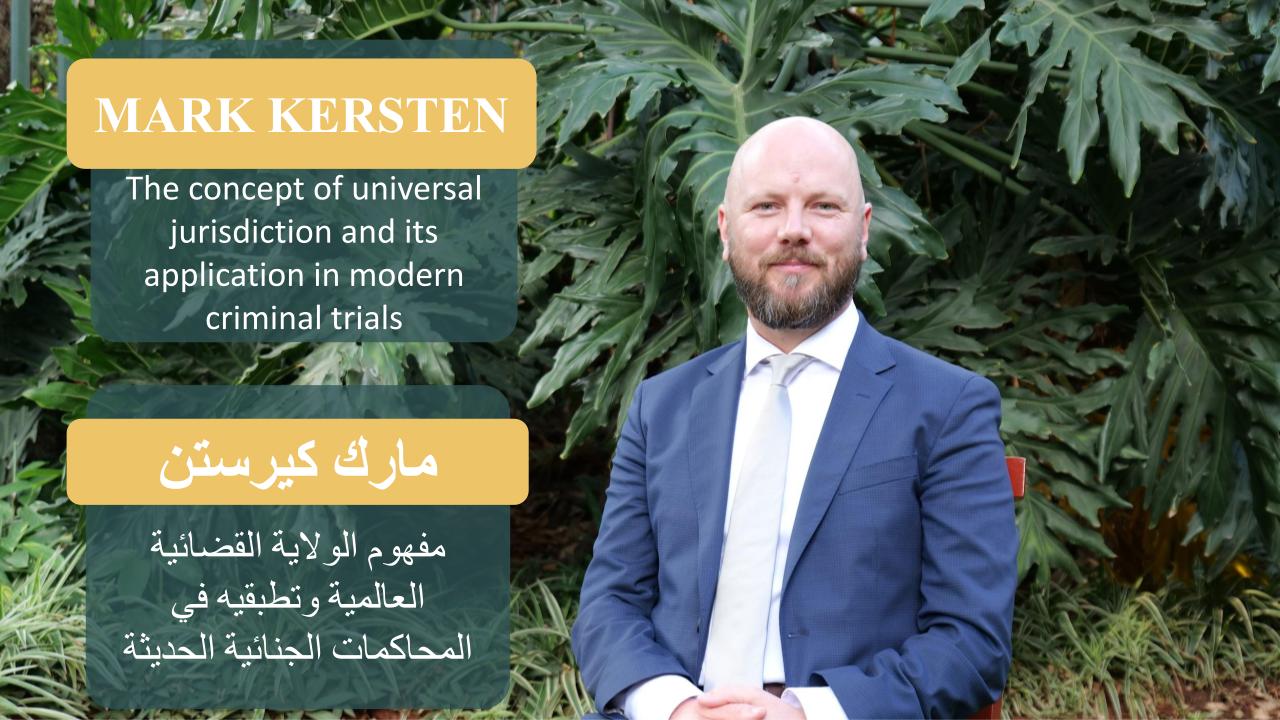
Mark Kersten, Senior Consultant at the Wayamo Foundation, and Assistant Professor of Criminology and Criminal Justice at the University of the Fraser Valley in British Columbia, Canada talks about the [...]
Saeeda Verrall a Legal Officer working at the United Nations discusses the main characteristics of international investigations, and best practices for documenting violations of human rights.
The Somalia Researcher at Amnesty International, Abdullahi Hassan, talks about the challenges of monitoring and documenting human rights violations in crisis situations
The role of modern forms of evidence in international criminal trials and the opportunities that these forms of evidence offer, in the investigation and prosecution of international crimes.
Zainab Bangura, Director-General of the United Nations Office at Nairobi (UNON), gave an inspiring speech to Sudanese civil society actors, urging them to continue to fight for a democratic, civilian-led [...]
Two veteran Sudanese journalists discuss the role of the diaspora journalist, especially during an armed conflict. What kind of material, social and emotional challenges exist for journalists who work outside [...]
Radhouane Nouicer, UN Independent Expert on the Situation of Human Rights in Sudan, talks about the importance of protecting civilians and putting an end to the conflict in Sudan, negotiating [...]
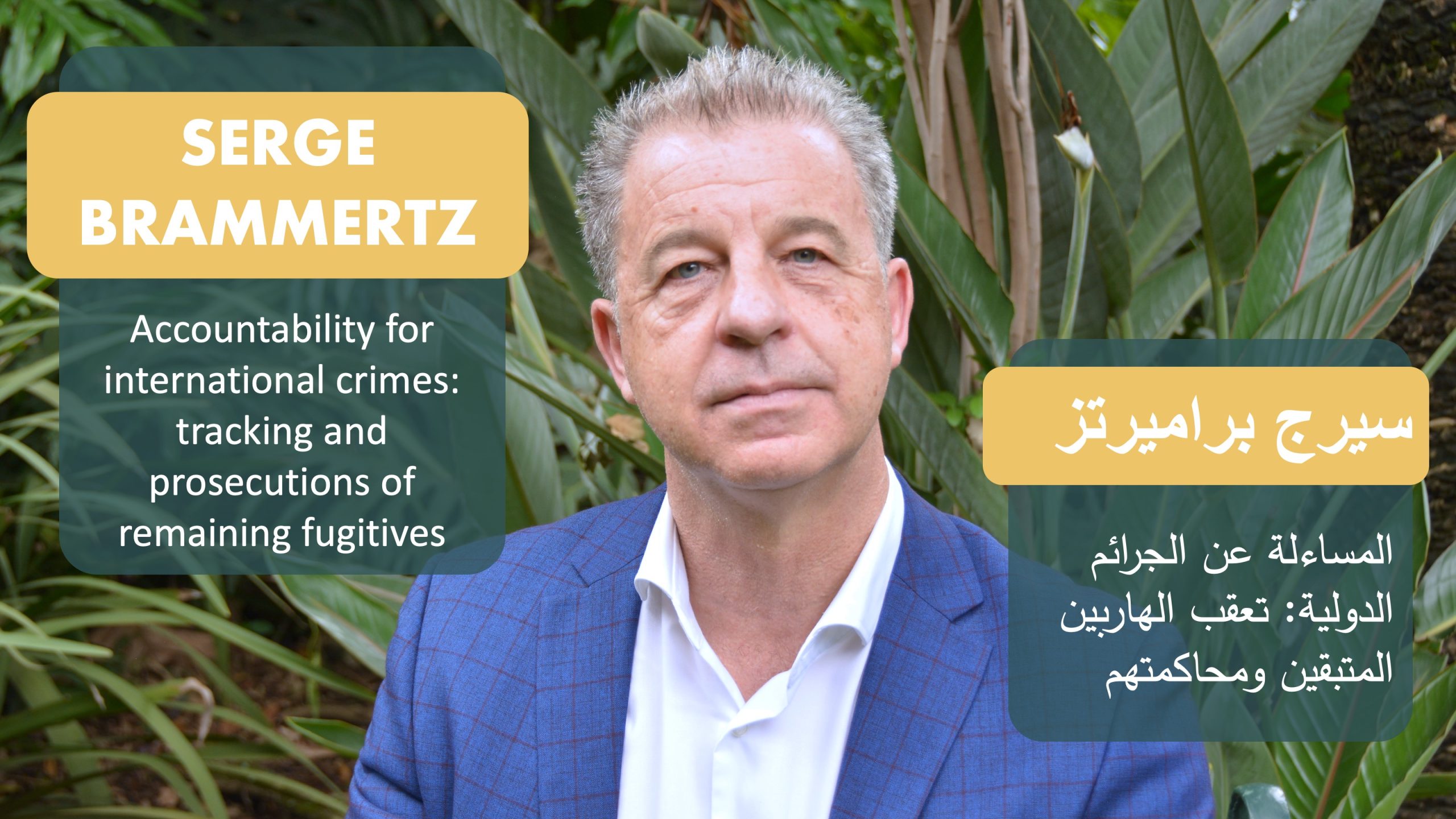
Serge Brammertz, Chief Prosecutor of the International Residual Mechanism for Criminal Tribunal (IRMCT), talks about the work of the IRMCT, the importance of justice and accountability for international crimes, and [...]
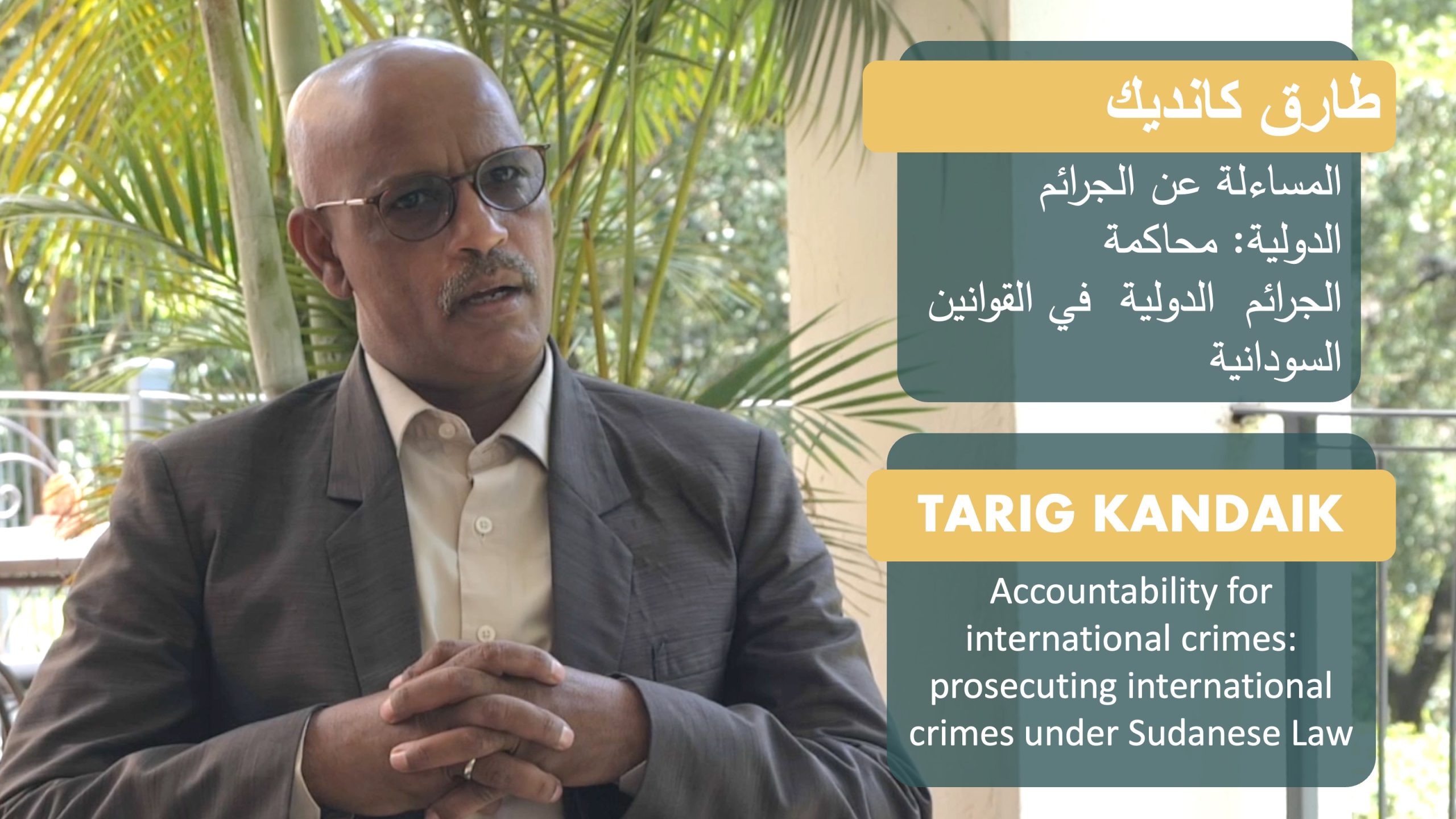
Tarig Kandaik, independent Sudanese lawyer and member of the Emergency Lawyers, talks about accountability for international crimes in Sudanese courts.
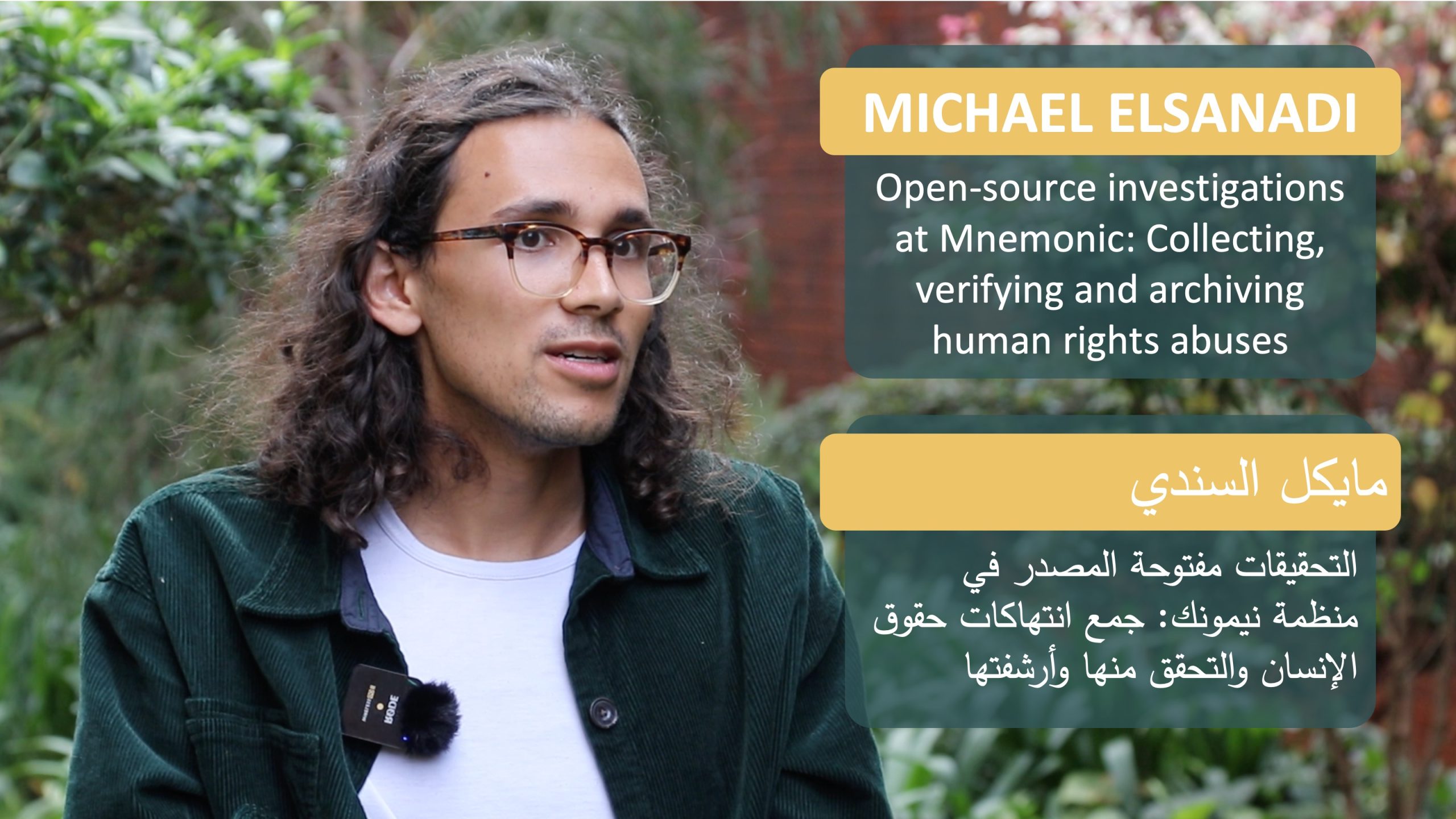
Michael Elsanadi, Researcher at Mnemonic, explains the work of Mnemonic, the Syrian Archive and Sudanese Archive. He talks about open-source investigations, investigation guidelines and verification techniques.
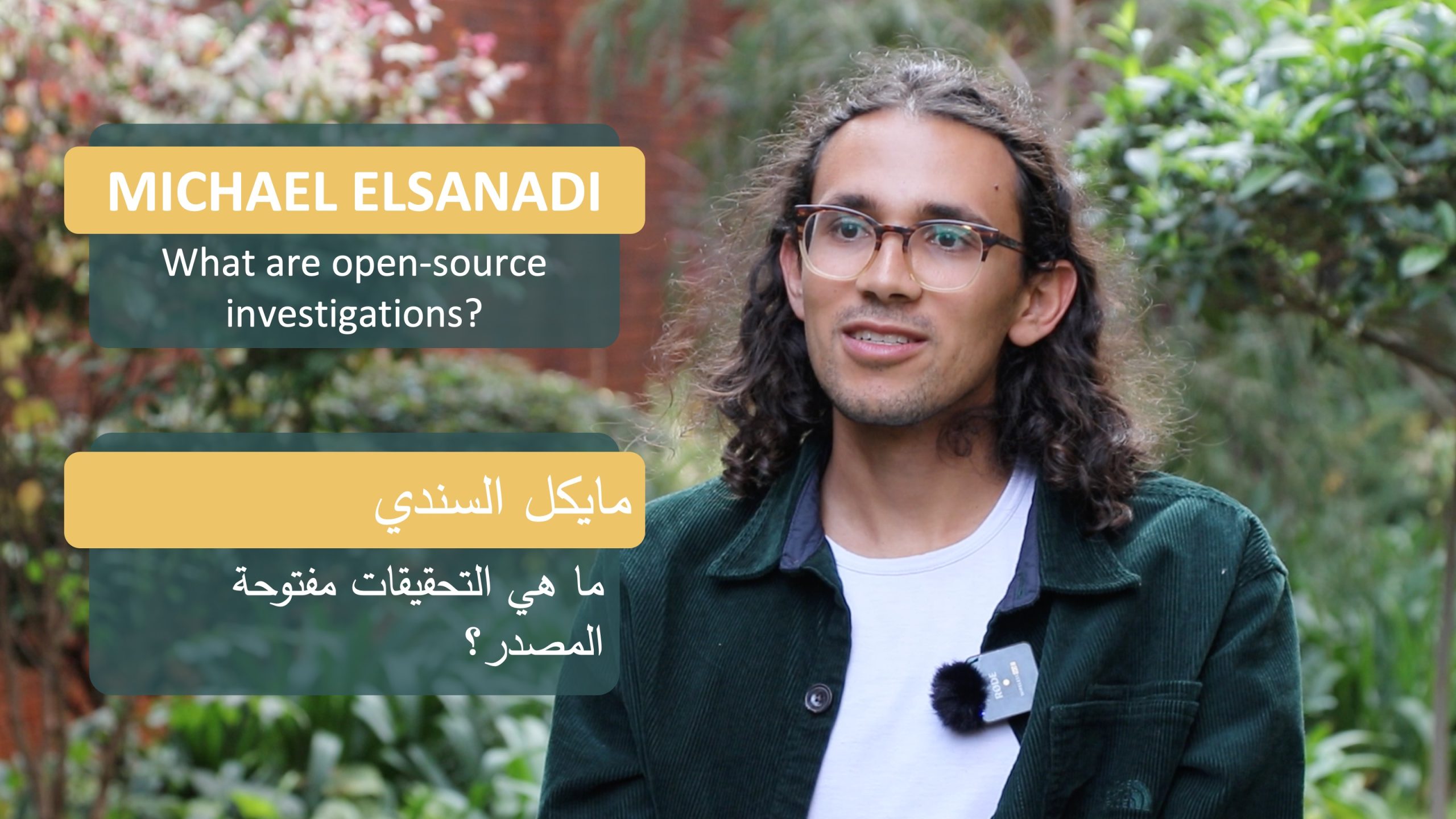
Michael Elsanadi, Researcher at Mnemonic, gives an introduction on open-source investigations. Michael Elsanadi talks about investigation guidelines, verification techniques, and the use of open-source investigations in media reports, criminal proceedings [...]
Chris Gitari, Senior Transitional Justice Advisor, Joint Monitoring and Evaluation Commission (South Sudan), discusses transitional justice processes on the African continent, their challenges and lessons learnt. Gitari recommends ensuring a [...]
IIIM Head, Catherine Marchi-Uhel, explains how the Mechanism collects evidence in Syria, and how this evidence is being used in national proceedings in various countries such as Germany and Sweden. [...]
Kholood Khair, Founder and Director of Confluence Advisory, talks about the power struggle between Al Burhan and Hemedti, the urgent need to fight against impunity, as well as the central [...]
Tom Rhodes, Managing Editor at Ayin media, talks to Wayamo Coordinator for East Africa, Judie Kaberia, about the role of journalists and Sudanese journalists in exile, the challenges they face [...]
Moneim Adam, Access to Justice Programme Director, Gisa INC, talks about the importance of documenting, collecting and preserving open-source information in Sudan, and explains how open-source information can be used [...]
A member of the UN Commission on Human Rights in South Sudan discusses the domestic prosecution of international crimes, with a focus on conflict-related sexual violence (CRSV). Tina Alai talks [...]
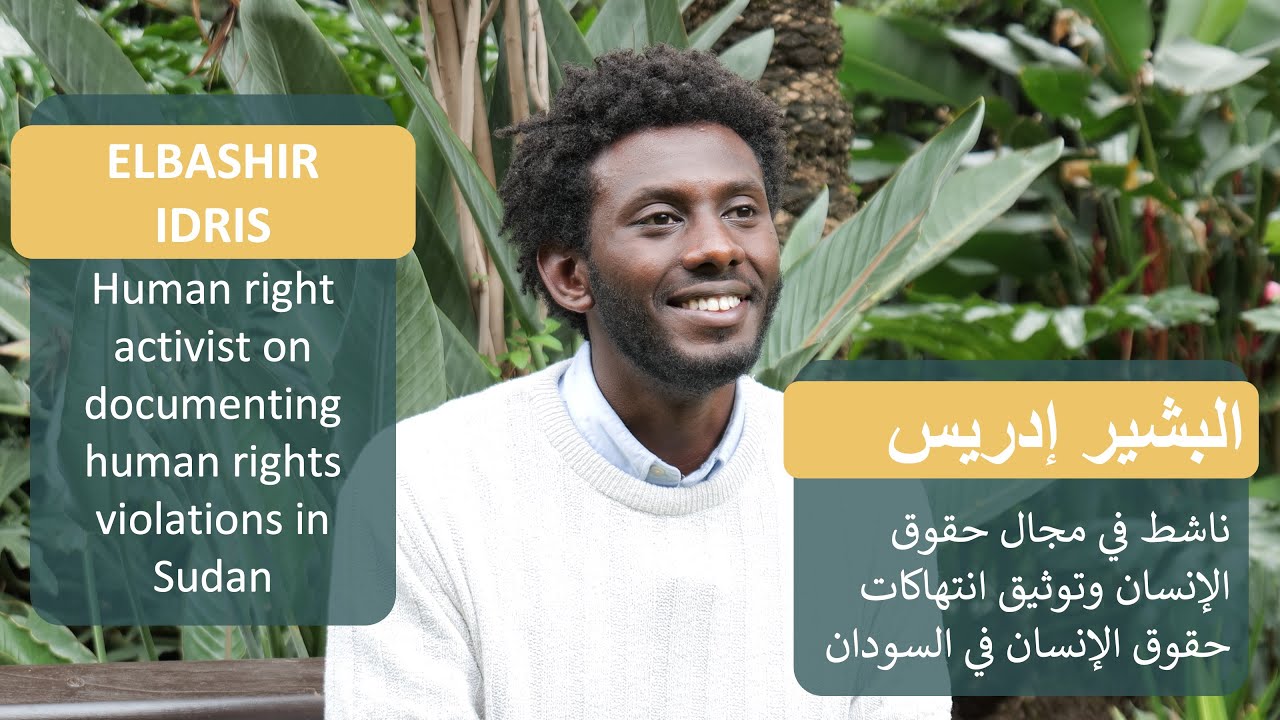
Sudanese human rights activist, Elbashir Idris, talks about why and how he started mapping and documenting human rights violations taking place in Sudan. Elbashir explains how he works and the [...]
Jonas Horner, independent expert on Sudan, talks about the reasons why the 2005 Comprehensive Peace Agreement failed to bring peace to Sudan and its border regions (the Abyei area, the [...]
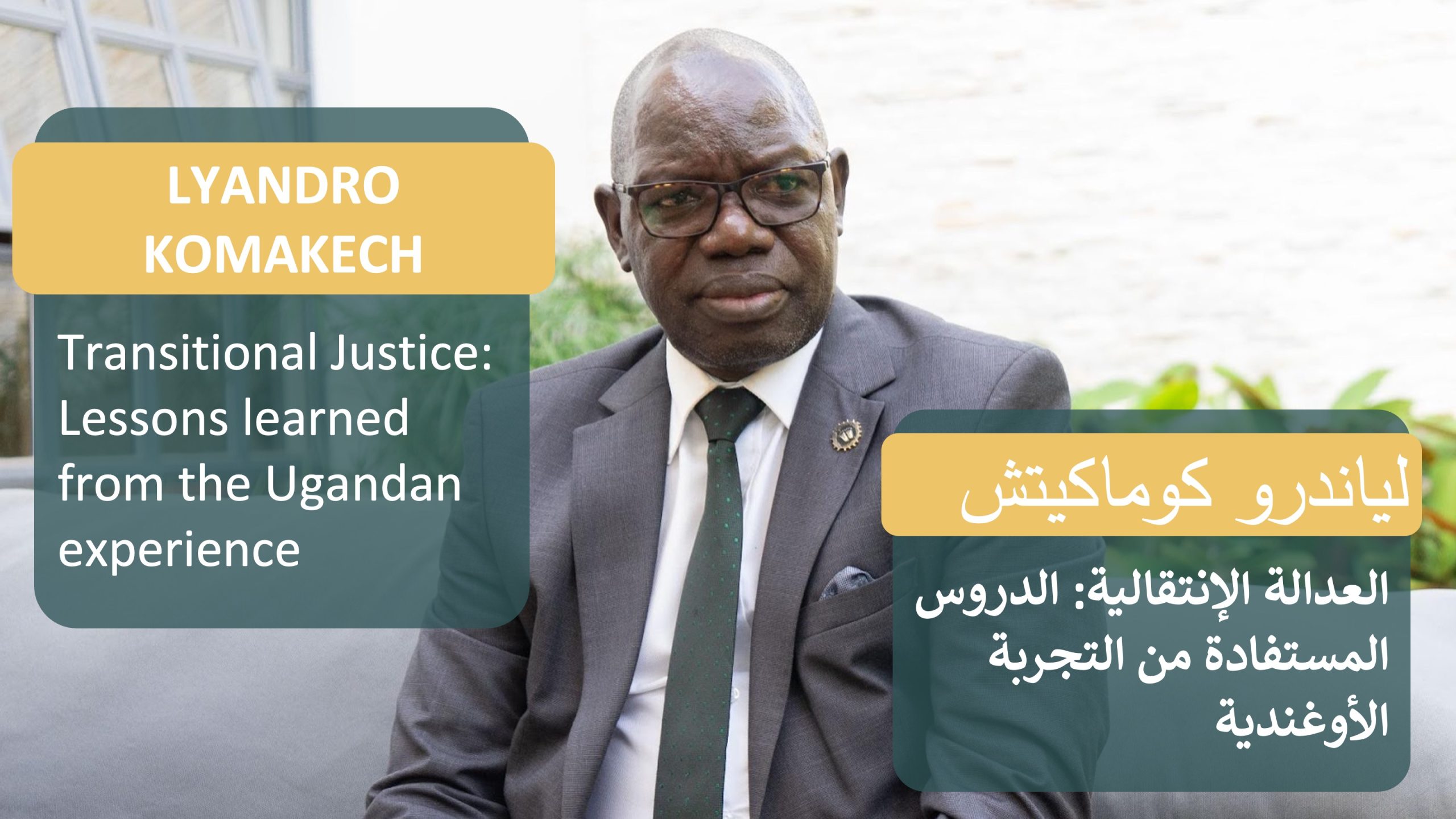
Komakech talks about how the transitional justice policy came about in Uganda, its impact as well as the role of the International Crimes Division of the High Court and the [...]
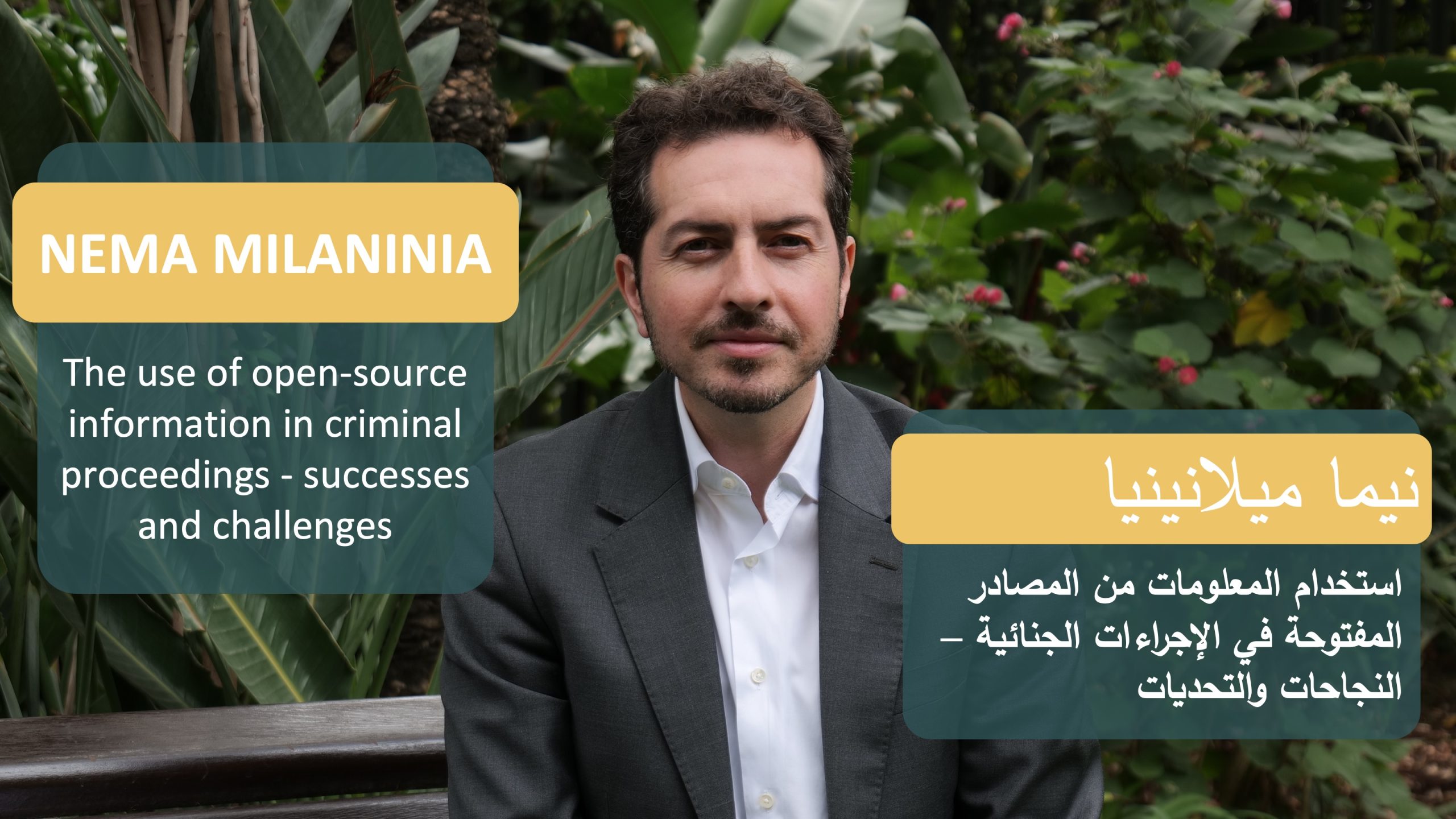
In this interview, Nema Milaninia, Special Advisor to the U.S. Ambassador-at-Large for Global Criminal Justice, explains how open-source information can be used to complement international criminal proceedings. He addresses some [...]
In a video recorded on 12 May 2023, Gouja Ahmed gave a message from Darfur to the international justice symposium "Transition from where? Transition to what? Exploring transitional justice efforts [...]
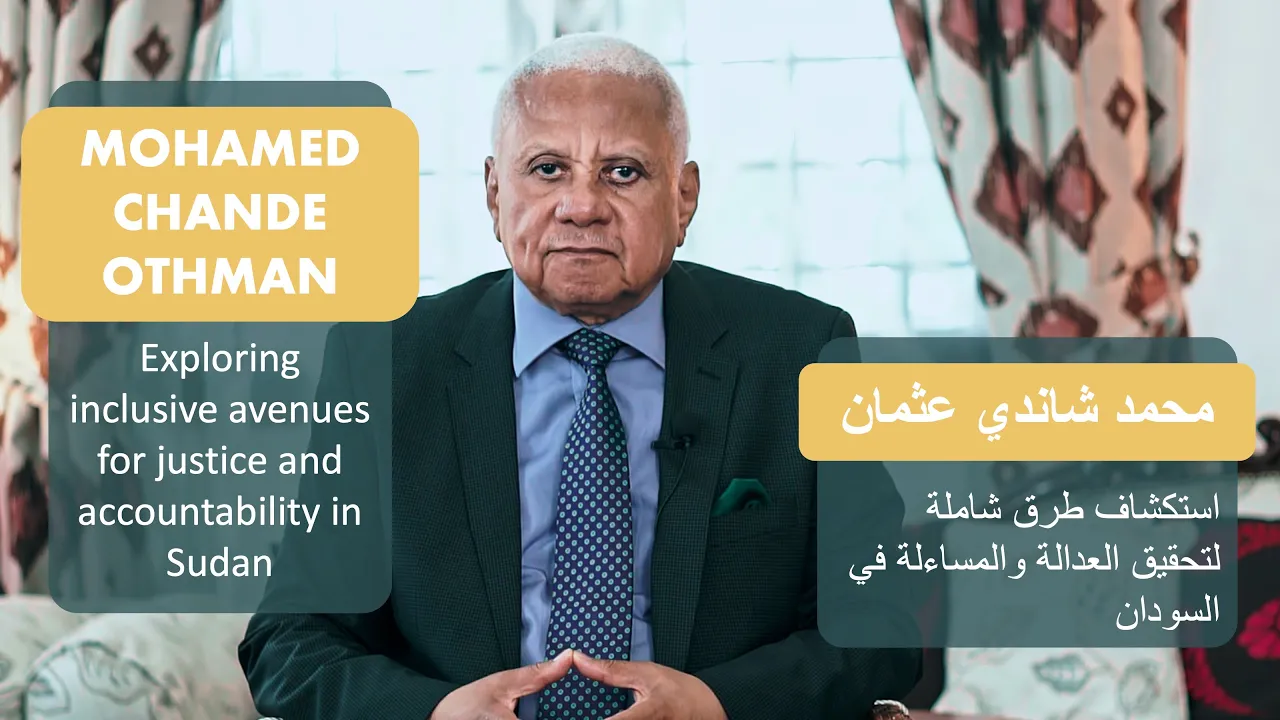
At the Wayamo Foundation-Contraband cultural event in Khartoum, entitled “Kul Al Balad Darfur – exploring complementary avenues for justice and accountability” Othman talked about justice, accountability, respect for human rights [...]
The Wayamo Foundation is an independent, non-profit organisation established to strengthen the rule of law, promote justice for international crimes and foster transparency through judicial capacity building, mediation and informed journalism.
The Sudan Justice Hub is supported by the Ministry of Foreign Affairs of The Netherlands and the German Federal Foreign Office.